

Sugargoo Spreadsheet to Find Products and Plan Your Order
Use a Sugargoo spreadsheet to turn a product idea into a small, understandable shopping list. Start with something you need, find relevant offers, and record the option you would actually buy. A saved picture is useful inspiration; a saved offer with a clear size and quantity is a more practical starting point.
This site brings product discovery and buying explanations together. Shopping links open OGSpreadsheet. Our articles explain how to assess finds and prepare questions about fit, warehouse checks and delivery. Your Sugargoo account, purchases and parcel arrangements remain with the service handling those transactions.
What Sugargoo does in the process
Sugargoo is a shopping agent: the buying process can involve a product purchase, receipt at a warehouse and a later international shipment. Treat these as separate stages when reading an offer or planning a budget. Paying for an item does not by itself tell you what a packed international parcel will cost.
The purpose of a spreadsheet is to make discoveries easier to revisit. It should not make decisions invisible. Keep track of which colour, size and version you mean, especially when one page contains several different choices.
Recognise the website and use a mobile shortlist
If you searched for the Sugargoo website, separate the service account from a product-discovery page. This site's shopping buttons open OGSpreadsheet; they are not a Sugargoo login or warehouse dashboard. Check the actual destination before entering account or payment details. A logo, familiar colour or search-result title alone does not establish which service is handling the transaction.
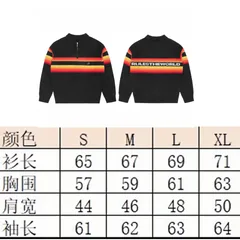
For Sugargoo mobile research, keep the shortlist simple enough to read on a phone: item, chosen option, price currency and the next question to resolve. Save the complete public product link rather than relying on several nearly identical open tabs. When a size table is wider than the screen, check its column headings before reading the numbers. Reopen the saved offer before ordering so an old screenshot does not substitute for the current selection.
The word “sugar” is broader than the platform name. If you mean Sugargoo shopping, use the full name with the product or buying question to narrow your search. Results for an unrelated meaning do not establish anything about the shopping service.
For a practical way to organise those references, compare spreadsheet tools and shortlist layouts. The choice of software is separate from the choice of seller or shopping agent.
Find the category that fits your need
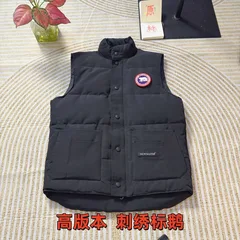
Browse shoes, look through tops, explore hoodies and sweaters, or open accessories. Begin with a category, then move to the individual offer before recording a price or selecting a variant.
For example, this white graphic T-shirt gives you a specific design to investigate. Before considering a size, distinguish the listing's measurements from a general size label. A clear product photograph does not establish fabric composition, durability or how it will fit your body.
If you only have a reference picture, the image-search guide explains how to use visible details to narrow a search. Similarity helps locate candidates; it does not confirm that two offers contain the same item.
A short route from finding to receiving
Start by comparing a few offers that serve the same purpose. Save the exact selection and settle important sizing or included-parts questions. Before payment, read the actual transaction summary rather than assuming that a previously seen coupon or payment option applies.
When goods reach the warehouse, compare the received variant with the order and review the available QC photographs. Resolve a meaningful mismatch while checking the current options for that transaction. Then decide what belongs in the parcel and compare shipping with the relevant packed inputs.
The detailed Sugargoo spreadsheet guide walks through those decisions. This overview is the starting point, not a substitute for the conditions attached to an individual purchase.
Choose the help you need next
The best spreadsheet guide explains how to judge a collection's usefulness without equating size with quality. The spreadsheet links page helps you retain the right offer and recover from changed destinations.
Before relying on a recommendation, use the spreadsheet review guide to see what was actually tested. Before sharing information or committing money, consult spreadsheet safety checks. Each answers a different question, so you can continue from your current stage instead of repeating the whole search.
Browse beyond the introductory guides
Open the topic and language directory for product categories, comparison articles and regional buying guidance. It provides a single place to find the article relevant to your current decision.
Test whether the information reduces uncertainty
Useful product information changes what you do next. A clearly defined measurement may help you reject an unsuitable size. A description of included pieces may stop you from treating a single garment as a full outfit.
Ask whether the list makes these distinctions easier:
| What you are trying to decide | Information that helps |
|---|---|
| Whether an offer is relevant | Recognisable item and intended use |
| Which variant you mean | Size, colour, version and quantity |
| Whether two offers differ | Comparable measurements or included parts |
| What remains unresolved | A focused question to check before purchase |
This is a way to compare usefulness, not a scoring system that certifies sellers or products. Avoid invented numerical ratings when you have only browsed a small sample.